
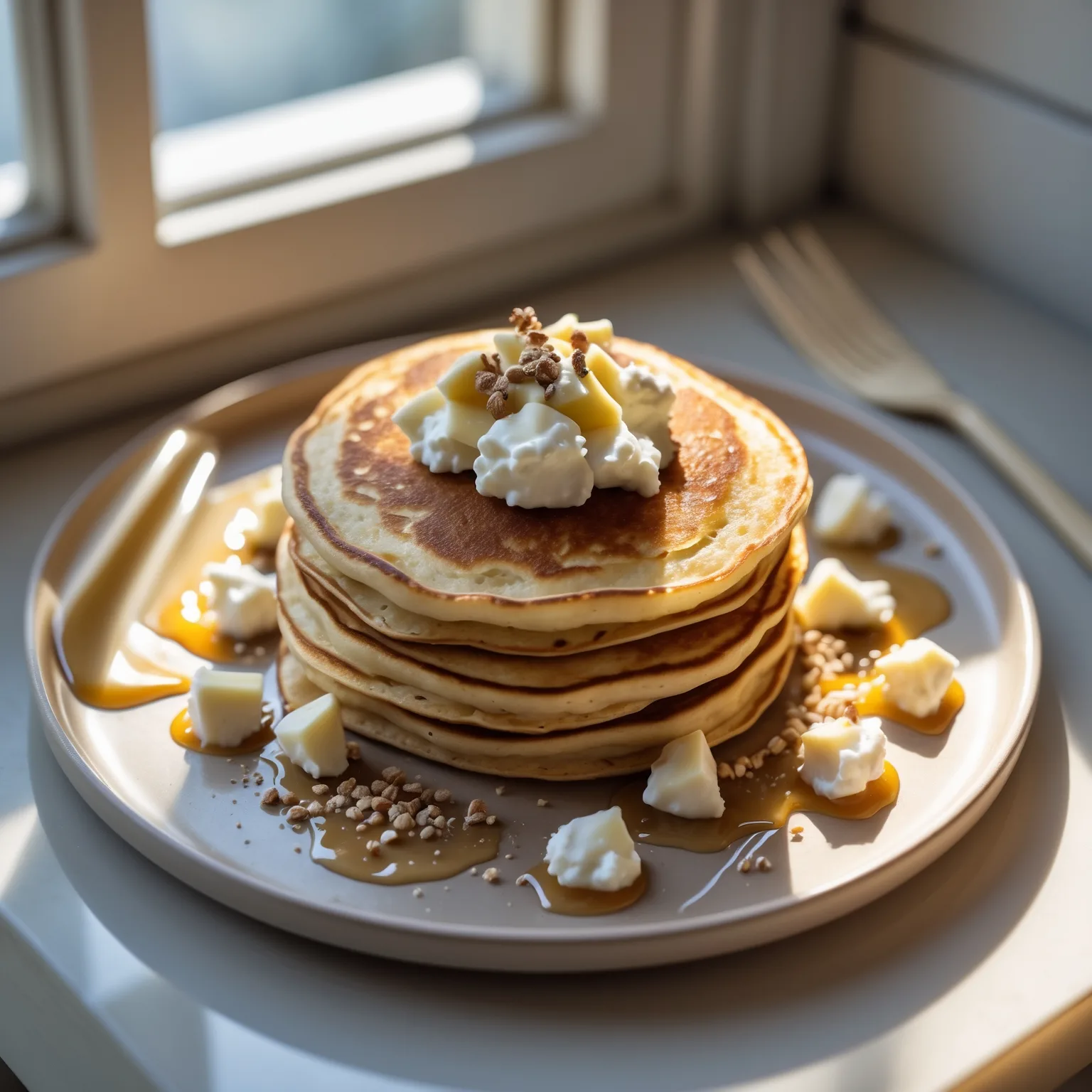
I’ve tried a lot of protein pancakes over the years, and many of them end up dense or dry. That’s why I kept coming back to this version with cottage cheese. It gives you that classic, fluffy texture you crave, along with a subtle tang that balances perfectly with sweet toppings. These Cottage Cheese Protein Pancakes come together in about 30 minutes, making them a practical choice for a satisfying weekend breakfast or even a quick post-workout meal.
Each serving delivers 15 grams of protein, which is a fantastic way to start your day feeling full and energized. They’re an American breakfast staple with a clever, high-protein twist, cooked right on your stovetop. What I love most is how the simple ingredients blend into something that feels indulgent but is secretly packed with nutrition.
What are Cottage Cheese Protein Pancakes?
Cottage Cheese Protein Pancakes are a modern take on traditional pancakes, where cottage cheese is blended into the batter. The concept likely originated from home cooks and fitness enthusiasts looking to add more protein to classic recipes without using chalky powders. This dish is special because it uses whole, recognizable ingredients to create a breakfast that’s both wholesome and delicious.
The magic happens in the blender. The cottage cheese and eggs create a rich, creamy base, while the oats provide structure and fiber. The result is a tender, fluffy griddle cake with a slight tang that pairs wonderfully with everything from berries to sugar-free syrup. It’s a satisfying meal that proves healthy eating doesn’t have to be boring.
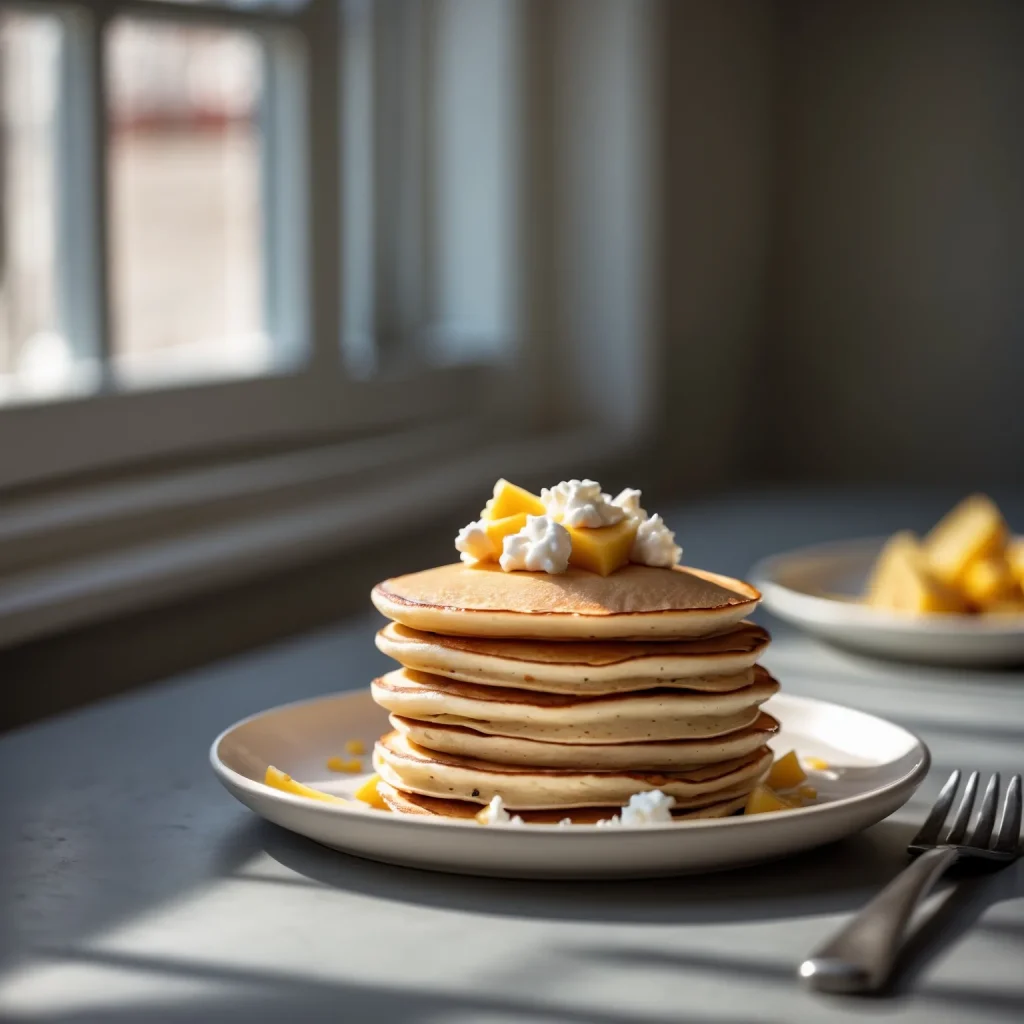
Why You’ll Love This Recipe
- Serious Protein Power — With 15 grams per serving, these pancakes are surprisingly filling and will keep you satisfied for hours, thanks to the cottage cheese and eggs.
- Incredibly Fluffy Texture — You might not expect it from a batter with oats, but the blending and resting period create a light, tender crumb that rivals any diner-style pancake.
- Simple, Blender Method — Everything mixes in one pitcher, which means minimal cleanup. Just blend, pour, and cook.
- Naturally Sweet-Friendly — The subtle tang from the cottage cheese is a perfect backdrop for both fresh fruit and a drizzle of maple syrup, allowing the toppings to shine.
- Meal-Prep Champion — They freeze and reheat beautifully, making a high-protein breakfast accessible on even the busiest mornings.
Ingredients Needed to Make Cottage Cheese Protein Pancakes
You only need eight simple ingredients to make this high-protein breakfast. Here’s what each one does.
The Protein & Base
- 1 cup full-fat cottage cheese — This is the star, providing creaminess, moisture, and a major protein boost. Full-fat gives the best texture and flavor.
- 4 large eggs — They bind the batter, add richness, and contribute more high-quality protein for structure and lift.
The Dry Ingredients & Flavor
- 1 cup old-fashioned rolled oats — These are your flour, providing whole grains and fiber. They blend into a smooth batter, so you won’t find oat chunks in your finished pancakes.
- 1 teaspoon baking powder — This is your leavening agent, responsible for creating those fluffy, airy pockets as the pancakes cook.
- 1/2 teaspoon fine sea salt — A little salt balances all the flavors and enhances the natural sweetness of your toppings.
- 1 teaspoon pure vanilla extract — It adds a warm, comforting aroma and rounds out the flavor profile perfectly.
For Cooking & Adjusting
- 2 tablespoons whole milk (optional) — This is just for thinning the batter if it’s too thick after blending. Any milk you have will work.
- 1 tablespoon unsalted butter, for cooking — Used to grease the pan, it gives the pancakes a lovely golden-brown, buttery edge.
Equipment Needed
You likely have everything you need already. Here’s the short list.
- A High-Speed Blender — Essential for breaking down the oats and cottage cheese into a perfectly smooth batter. A food processor can work in a pinch.
- Large Non-Stick Skillet or Griddle — A consistent cooking surface is key for even browning. A well-seasoned cast-iron pan is a great alternative.
- Thin, Flexible Spatula — This makes flipping the delicate pancakes much easier and helps you get under them without tearing.
- 1/4-Cup Measuring Cup — This is the perfect tool for portioning uniform pancakes so they all cook at the same rate.
- Baking Sheet & Parchment Paper — For keeping finished pancakes warm in a low oven without them getting soggy.
Instructions to Make Cottage Cheese Protein Pancakes
The process is straightforward, but a few key details make all the difference. Here’s my step-by-step guide.
Step 1: Blend the Batter Smoothly
Add the cottage cheese, eggs, oats, baking powder, salt, and vanilla to your blender pitcher. Blend on high for 30 to 60 seconds. You want to stop only when the mixture is completely uniform, with no visible pieces of oat. I sometimes stop to scrape down the sides halfway through to ensure everything is incorporated.
Step 2: Check and Adjust Consistency
Take a look at your batter. It should be thick but easily pour off a spoon. If it seems too thick or gloppy, add the milk, one tablespoon at a time, blending briefly after each addition. This step prevents dense pancakes and ensures they spread properly in the pan.
Step 3: Let the Batter Rest
This is a non-negotiable step for the best texture. Let the batter sit on your counter for 5 to 10 minutes. The oats will absorb liquid, and the baking powder will begin to activate, which gives you a lighter, fluffier final product.
Step 4: Preheat Your Pan Properly
Place your skillet or griddle over medium heat. Add the butter and swirl it around to coat the surface. The pan is ready when the butter is fully melted and foaming slightly, but not yet turning brown. This visual cue tells you the temperature is just right.
Step 5: Cook the First Side
Use your 1/4-cup measure to pour batter onto the hot pan, leaving a couple of inches between each. Cook for 2 to 3 minutes. You’ll know it’s time to flip when bubbles form on the surface and the edges look set and slightly dry.
Step 6: Flip and Finish Cooking
Slide your spatula underneath and gently flip each pancake. Cook on the second side for 1 to 2 minutes, until golden brown. They should feel firm and spring back lightly when you press the center.
Step 7: Manage the Heat
The first batch is often a test. If your pancakes are browning too fast, lower the heat to medium-low. If they seem pale and are taking forever, nudge the heat up slightly. This adjustment is the secret to perfect, even color.
Step 8: Keep Them Warm
As you finish each pancake, transfer it to a parchment-lined baking sheet in a preheated 200°F / 93°C oven. This keeps the whole stack hot and fluffy while you cook the rest of the batter.
Step 9: Repeat and Regrease
Continue with the remaining batter, adding a small pat of butter to the pan for each new batch. If any burnt bits accumulate, simply wipe the pan clean with a paper towel to ensure consistent cooking.
Step 10: Serve and Customize
Serve immediately with your favorite toppings. I love fresh berries and a drizzle of sugar-free syrup. For an extra protein kick, a dollop of Greek yogurt or a sprinkle of chopped nuts works perfectly.
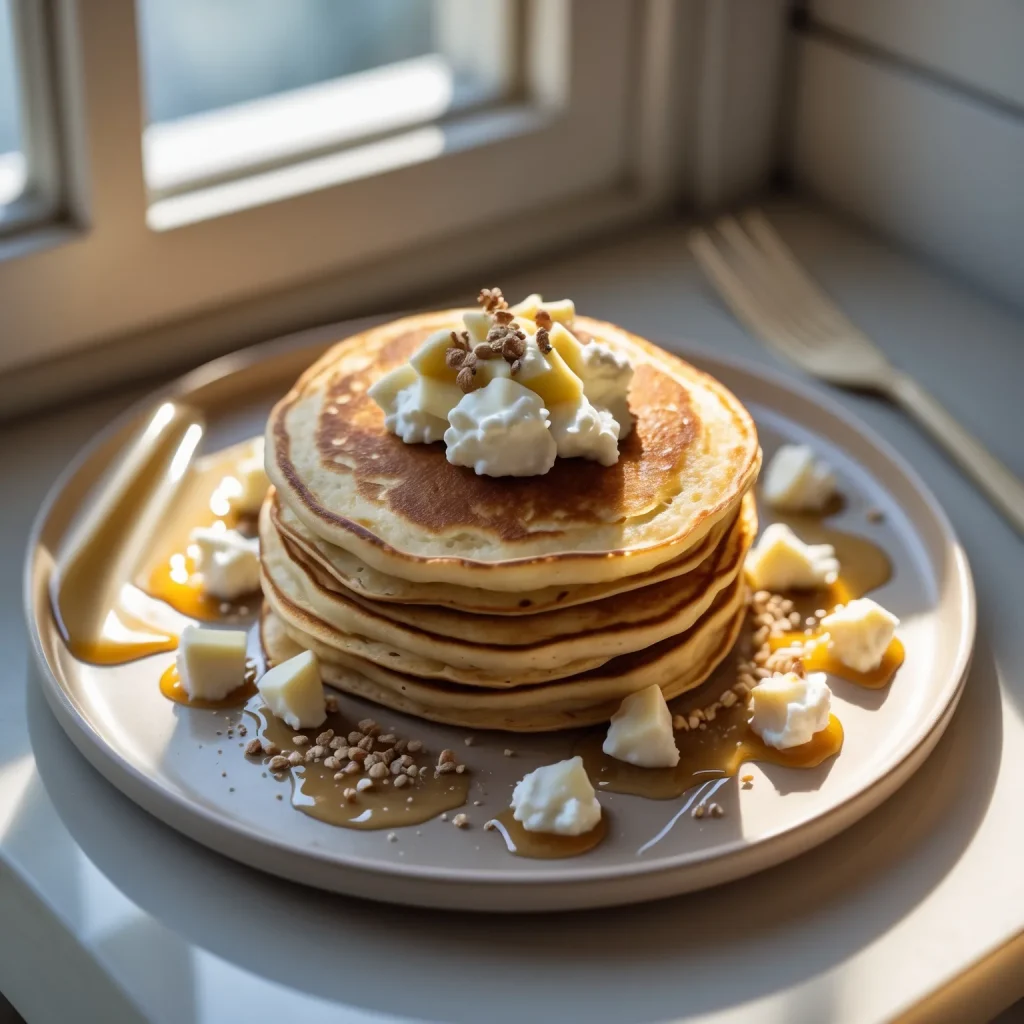
What Went Wrong and How I Fixed It
Even simple recipes can have hiccups. Here are the issues I’ve encountered and how to solve them.
- Dense, Gummy Pancakes — This usually means the batter wasn’t blended long enough. Blend for a full minute until completely smooth, with no oat grit.
- Pancakes Spreading Too Thin — The batter was likely too thin. Next time, skip the optional milk or let the batter rest a few minutes longer to thicken up.
- Burning Before Cooking Through — Your heat was too high. Start with a true medium heat and don’t be afraid to lower it as the pan retains more heat.
- Difficulty Flipping — Flipping too early is the culprit. Wait until the surface is covered in popped bubbles and the edges look completely set.
- Bland Flavor — Don’t forget the salt and vanilla! They are essential for balancing the tang of the cottage cheese and making the flavors pop.
What Do I Serve With Cottage Cheese Protein Pancakes?
These pancakes are a fantastic base for both sweet and savory pairings. Here are a few of my favorite combinations.
- Fresh Berries and Whipped Cream — The bright, juicy acidity of berries cuts through the richness beautifully.
- Maple Syrup and Toasted Pecans — A classic pairing that adds crunch and deep, caramelized sweetness.
- Greek Yogurt and Honey — This doubles down on protein and adds a lovely, creamy tang.
- Scrambled Eggs and Turkey Bacon — Go fully savory for a massive, high-protein brunch plate.
- Apple Slices with Cinnamon — Sauté thin apple slices with a pinch of cinnamon for a warm, spiced topping.
Pro Tips to Make Perfect Cottage Cheese Protein Pancakes
These little insights, learned from making many batches, will help you nail it every time.
- Room Temperature Ingredients — Let your eggs and cottage cheese sit out for 15 minutes before blending. They incorporate more easily, leading to a smoother batter.
- Patience with the First Batch — The first pancake is often a test for pan temperature. Use it to adjust your heat for the rest.
- Consistent Portioning — Using the same 1/4-cup measure for every pancake ensures they all cook at the same rate.
- Don’t Press Them Down — Resist the urge to flatten the pancakes with your spatula after flipping. This squeezes out the air and makes them dense.
- Clean Pan Between Batches — Wipe out any dark butter residue with a paper towel to prevent later batches from tasting burnt.
- Blend Thoroughly — A truly smooth batter is the foundation of a tender texture. When you think it’s done, blend for another 10 seconds.
Variations of Cottage Cheese Protein Pancakes
Once you’ve mastered the base recipe, try these easy twists to keep things interesting.
- Chocolate Chip — Fold 2-3 tablespoons of dark chocolate chips into the batter after blending for a treat-like feel.
- Blueberry Lemon — Add the zest of one lemon to the blender, then gently fold in a handful of fresh blueberries before cooking.
- Pumpkin Spice — Blend in 1/4 cup of pumpkin puree and a teaspoon of pumpkin pie spice for a cozy fall version.
- Banana Nut — Add half a ripe banana to the blender and fold in some chopped walnuts for extra texture and protein.
- Cinnamon Roll — Add a teaspoon of cinnamon to the batter and swirl a mix of softened cream cheese thinned with a splash of milk on top after cooking.
How Do I Store Cottage Cheese Protein Pancakes Leftovers?
They store wonderfully, making breakfast for the week a breeze.
- Refrigerator Storage — Let the pancakes cool completely, then stack them in an airtight container with parchment between layers. They’ll keep for up to 3 days.
- Freezer Method — Place cooled pancakes in a single layer on a baking sheet and freeze until solid. Transfer to a freezer-safe bag for up to 2 months.
- Pre-Portion for Convenience — Before freezing, separate stacks with parchment paper so you can easily grab just one or two servings.
- Label Your Containers — Always write the date on your containers or bags so you remember when you made them.
How Do I Reheat Cottage Cheese Protein Pancakes Leftovers?
The goal is to reheat without drying them out. Here are the best methods.
- Toaster or Toaster Oven — This is my favorite method. It gives the edges a slight crispness. Use a light setting to avoid over-drying.
- Conventional Oven — Preheat your oven to 350°F / 177°C. Place pancakes on a baking sheet and warm for 5-10 minutes until heated through.
- Microwave — For speed, place a stack on a microwave-safe plate and heat for 30-60 seconds. Cover them with a damp paper towel to keep them moist.
FAQs
Can I use low-fat cottage cheese?
You can, but I strongly recommend full-fat. It provides more richness and moisture, resulting in a much more tender and flavorful pancake. Low-fat versions can sometimes make the texture a bit rubbery.
Can I make the batter ahead of time?
Yes, you can blend the batter and store it covered in the refrigerator for up to 24 hours. The oats will continue to absorb liquid, so you may need to stir in a splash of milk to loosen it up before cooking.
My batter is very thin. What happened?
This can happen if your cottage cheese had a lot of whey or if you accidentally added too much milk. Just let the batter rest for 10-15 minutes; the oats will thicken it up significantly.
Can I freeze Cottage Cheese Protein Pancakes?
Absolutely! They freeze exceptionally well. Follow the freezing method above, and you’ll have a high-protein breakfast ready in minutes for weeks.
How long do Cottage Cheese Protein Pancakes last in the fridge?
Stored properly in an airtight container, they will stay fresh and tasty for up to 3 days in the refrigerator.
Can I make these without a blender?
A blender is essential for getting the oats perfectly smooth. If you must, you could use oat flour, but you’ll miss the whole-grain texture of blended rolled oats.
Try These Recipes
Final Words
This recipe has become a weekend staple in my kitchen because it delivers everything I want: great flavor, fantastic texture, and lasting energy. These Cottage Cheese Protein Pancakes are proof that a healthy breakfast can be utterly delicious and completely satisfying. I hope this guide gives you the confidence to make them and enjoy them with your favorite people around the table.
PrintCottage Cheese Protein Pancakes
Fluffy and protein-packed pancakes with a subtle tang from cottage cheese, perfect for a high-protein breakfast. They have a tender texture and can be customized with your favorite toppings for a satisfying meal.
- Prep Time: 10
- Cook Time: 20
- Total Time: 30
- Yield: 4 1x
- Category: Breakfast
- Method: Stovetop
- Cuisine: American
Ingredients
- 1 cup full-fat cottage cheese
- 4 large eggs
- 1 cup old-fashioned rolled oats
- 1 teaspoon baking powder
- 1/2 teaspoon fine sea salt
- 1 teaspoon pure vanilla extract
- 2 tablespoons whole milk (optional, for adjusting consistency)
- 1 tablespoon unsalted butter, for cooking
Instructions
- In a blender, combine 1 cup full-fat cottage cheese, 4 large eggs, 1 cup old-fashioned rolled oats, 1 teaspoon baking powder, 1/2 teaspoon fine sea salt, and 1 teaspoon pure vanilla extract. Blend on high speed for 30-60 seconds until the mixture is completely smooth and no oat pieces remain, scraping down the sides with a spatula if needed. This ensures a uniform batter that will cook evenly and result in fluffy pancakes.
- Check the batter consistency; it should be thick but pourable, similar to traditional pancake batter. If the batter is too thick, add 2 tablespoons of whole milk one tablespoon at a time, blending briefly after each addition. This adjustment prevents dense pancakes and allows for proper spreading on the pan.
- Let the batter rest for 5-10 minutes at room temperature to allow the oats to absorb moisture and the baking powder to activate. This resting period helps the pancakes rise and become lighter during cooking, enhancing their texture.
- Heat a large non-stick skillet or griddle over medium heat. Add 1 tablespoon of unsalted butter and swirl to coat the surface evenly. The pan is ready when the butter has melted and is foaming slightly but not smoking or browning too quickly, indicating optimal cooking temperature.
- Using a 1/4-cup measuring cup, pour the batter onto the preheated pan, leaving about 2 inches of space between each pancake to allow for spreading. Cook for 2-3 minutes until bubbles form on the surface and the edges appear set and slightly dry, which signals it’s time to flip.
- Gently flip each pancake with a thin spatula when the underside is golden brown. Cook for an additional 1-2 minutes on the second side until golden brown and cooked through. The pancakes should feel firm to the touch and spring back lightly when pressed, ensuring they are fully done.
- Monitor the heat throughout cooking; if the pancakes are browning too quickly, reduce the heat to medium-low. If they are taking too long, increase the heat slightly. Adjusting the heat prevents burning and ensures even browning for perfect results.
- As pancakes are cooked, transfer them to a baking sheet lined with parchment paper and keep warm in a preheated oven set to 200°F / 93°C. This keeps the pancakes hot and fluffy without drying them out while you finish the batch.
- Repeat the cooking process with the remaining batter, adding more butter to the pan as needed to prevent sticking. Wipe the pan clean between batches if butter residue builds up to maintain consistent cooking surfaces.
- Serve the pancakes immediately with toppings like fresh berries, sugar-free maple syrup, or a dollop of Greek yogurt for added protein. For a protein boost, consider sprinkling with chopped nuts or serving with a side of scrambled eggs.
Notes
Storage: Cool pancakes completely and store in an airtight container in the refrigerator for up to 3 days. Freezing: Place pancakes in a single layer on a baking sheet to freeze solid, then transfer to a freezer bag for up to 2 months. Reheating: Reheat in a toaster, in a preheated 350°F / 177°C oven for 5-10 minutes, or in the microwave for 30-60 seconds until warmed through.
Nutrition
- Calories: 231
- Sugar: 2.1g
- Sodium: 325mg
- Unsaturated Fat: 5.3g
- Trans Fat: 11.6g
- Carbohydrates: 15.9g
- Fiber: 2g
- Protein: 15g
- Cholesterol: 194mg
Keywords: cottage cheese protein pancakes, protein pancakes recipe, high-protein breakfast, healthy pancakes, cottage cheese pancakes, fluffy pancakes, stovetop pancakes, meal prep breakfast, gluten-free pancakes, quick breakfast, high-protein recipes