
Fresh, fluffy scrambled eggs in under five minutes — no stove, no oil, no fuss. That is exactly what you get with these Healthy Scrambled Eggs in the Microwave. Each serving packs 18g of protein, thanks to eight eggs and a splash of whole milk, and the customizations are endless.
This recipe is for anyone who wants a satisfying, high-protein breakfast without dirtying a single pan. It is beginner-friendly, requires almost no cleanup, and works perfectly for busy weekdays or lazy weekends. You will get tender, creamy curds every time — no rubbery eggs here.
What is Healthy Scrambled Eggs in the Microwave?
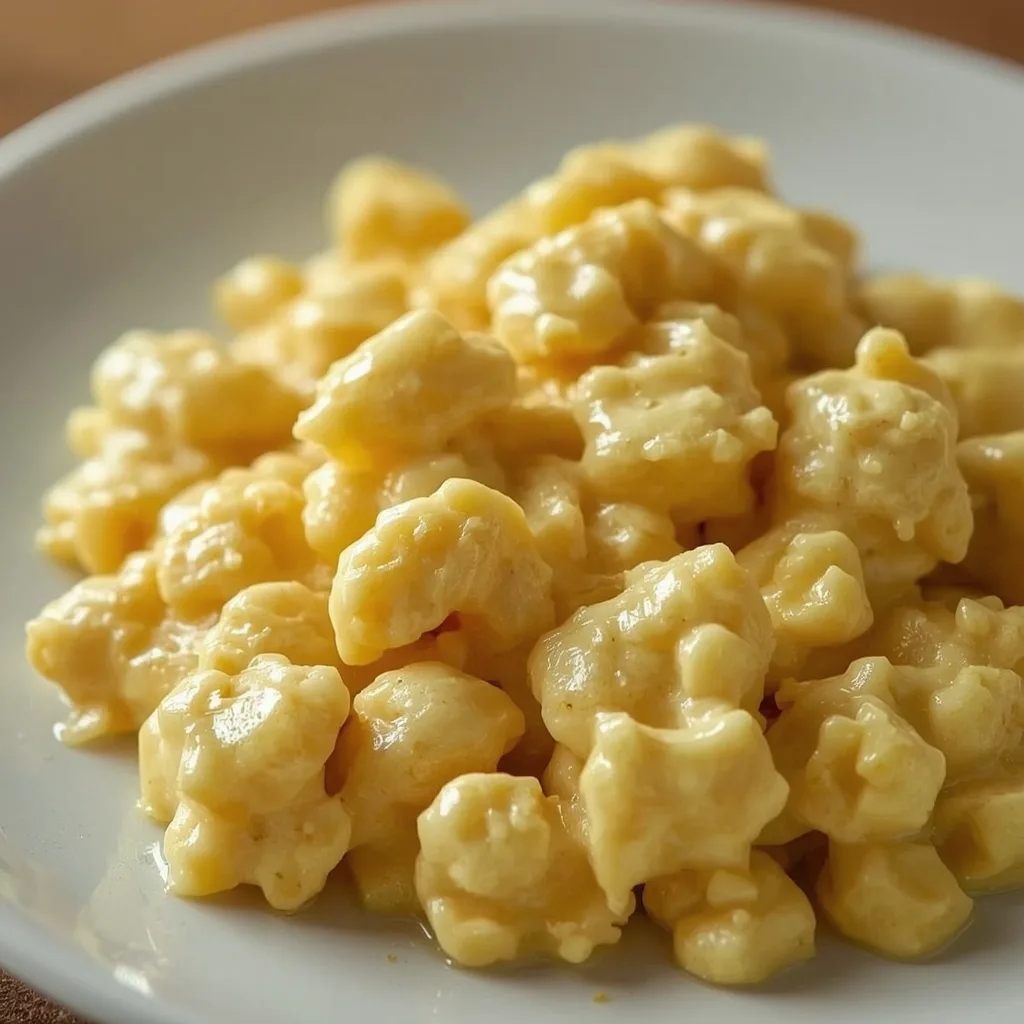
This is exactly what it sounds like: scrambled eggs cooked entirely in the microwave using short bursts of high heat. You whisk eggs with milk, salt, and pepper, then cook them in intervals, stirring between each. The result is soft, moist curds that stay creamy, not dry or tough. It is a go-to method when you need a protein-rich breakfast fast — no stove required.
Why You’ll Love This Recipe
Here is what tripped me up the first few times, and why I kept coming back to this method.
- Protein-packed breakfast — Each serving delivers 18g of protein from whole eggs and milk, keeping you full for hours.
- No stovetop needed — You do not need a pan, butter, or oil. Just a microwave-safe bowl and a whisk.
- Ready in 5 minutes — Total prep and cook time is under five minutes, perfect for rushed mornings.
- Customizable easily — Swap the cheese, add veggies, or stir in cottage cheese for even more protein.
- Cleans up fast — One bowl and one whisk. No greasy pans to scrub afterward.
- Gentle on eggs — Short cooking intervals prevent the dreaded rubbery texture. You get soft, creamy curds.
Ingredients Needed to Make Healthy Scrambled Eggs in the Microwave
You probably have most of these already. Here is what you will need and why each ingredient matters.
The Eggs and Dairy
- 8 large eggs — The protein base. Fresh eggs yield the fluffiest curds; older eggs can be runnier.
- 1/2 cup whole milk — Adds moisture and tenderness. Whole milk gives the creamiest texture, but 2% or skim works fine.
- 1/2 cup shredded cheddar cheese (optional) — Melts into silky ribbons when stirred in at the end. Adds richness and a savory note.
The Seasonings
- 1/2 tsp kosher salt — Seasons the eggs evenly. Kosher salt dissolves cleanly without a metallic aftertaste.
- 1/4 tsp black pepper — Adds a mild heat and rounds out the flavor. Freshly ground is best.
- 2 tbsp chopped fresh chives (optional, for garnish) — A mild onion-like freshness that brightens the dish. Green onions work as a swap.
Equipment Needed
You do not need much, but the right bowl makes a difference.
- Medium microwave-safe bowl — At least 4-cup capacity. Glass or ceramic works well; avoid metal-trimmed bowls.
- Whisk or fork — A whisk blends the eggs and milk faster and adds a bit of air, but a fork does the job too.
- Microwave — Standard 1000W microwave is assumed. Adjust cook times slightly for lower or higher wattages.
- Oven mitt or towel — The bowl gets hot after each interval. Protect your hands.
- Spatula or spoon — For stirring the cooked curds and folding in cheese and chives.
Instructions to Make Healthy Scrambled Eggs in the Microwave
The key is short bursts and frequent stirring. Here is exactly how to do it.
Step 1: Whisk the Eggs and Milk
In your 4-cup microwave-safe bowl, whisk together the 8 eggs and 1/2 cup whole milk until the mixture is homogenous and slightly frothy. The milk adds moisture and helps create a tender curd; whole milk yields the creamiest texture, but 2% or skim works.
Step 2: Season the Mixture
Add 1/2 tsp kosher salt and 1/4 tsp black pepper, and whisk again to distribute evenly. Seasoning at this stage ensures every bite is flavorful; kosher salt dissolves easily and does not leave a metallic taste.
Step 3: First Microwave Interval
Microwave the bowl on high power (1000W) for 45 seconds. After this first interval, the eggs should be just beginning to set around the edges but still very liquid in the center. Cooking in short bursts prevents the eggs from becoming rubbery.
Step 4: First Stir
Remove the bowl carefully (it will be hot) and whisk the eggs vigorously for 10 seconds. This breaks up the cooking curds and redistributes uncooked egg from the center to the edges, ensuring even cooking.
Step 5: Second Microwave Interval
Return the bowl to the microwave and cook on high for another 30 seconds. After this second interval, the eggs will be mostly set but still look wet and glossy. Overcooking now will make them dry.
Step 6: Second Stir
Remove and stir again for 10 seconds. If you see any large pools of liquid egg, whisk until they are incorporated into the hot curds, which will continue to cook the eggs gently from the residual heat.
Step 7: Final Microwave Interval
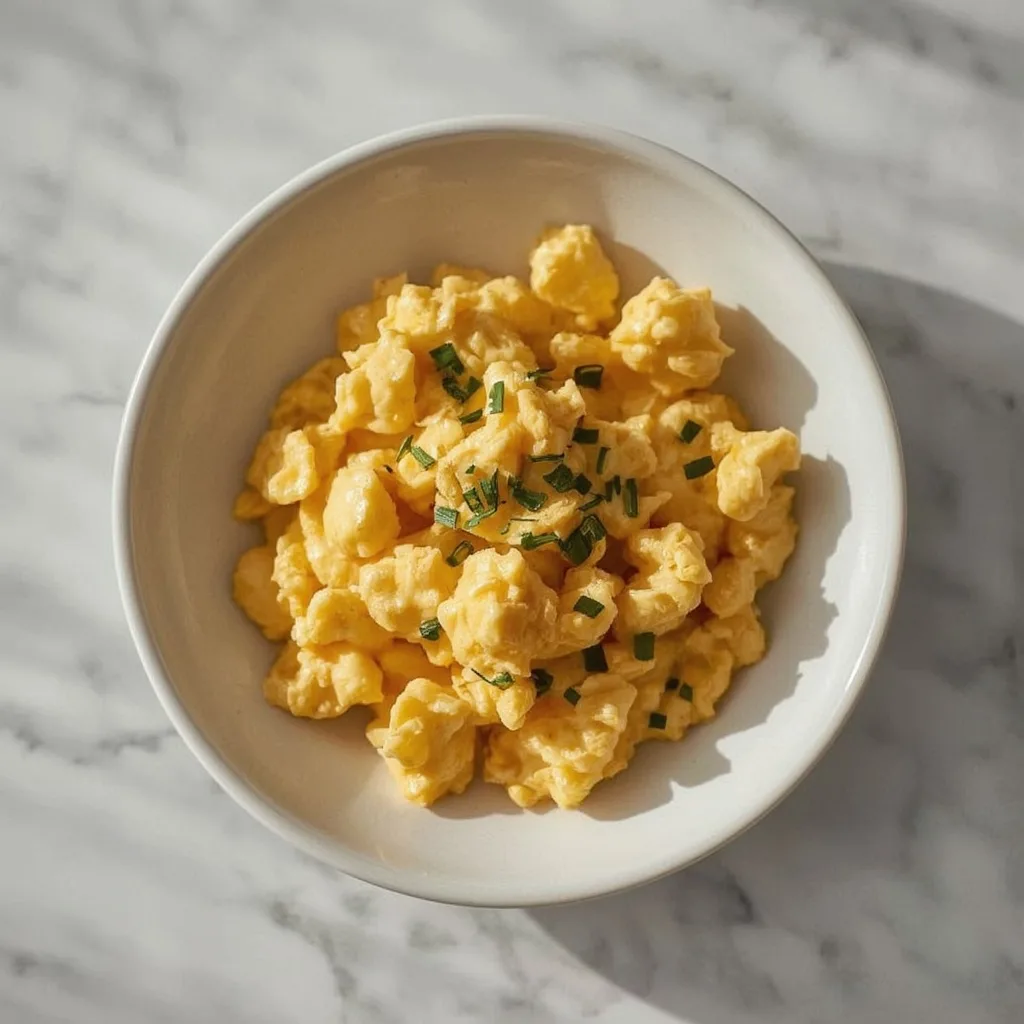
Microwave on high for a final 15 to 30 seconds, depending on your microwave wattage and desired doneness. For soft, creamy curds, stop at 15 seconds; for firmer, more traditional scrambled eggs, go the full 30 seconds. The eggs should look just set and slightly moist — they will firm up as they rest.
Step 8: Add Cheese and Rest
Immediately remove the bowl and stir in the 1/2 cup shredded cheddar cheese (if using). The residual heat will melt the cheese into silky ribbons throughout the eggs. Let the bowl sit for 1 minute to allow carryover cooking to finish without overcooking.
Step 9: Garnish and Serve
Gently fold in the chopped chives (if using), and serve immediately. For best texture, portion onto warmed plates so the eggs stay hot and creamy without becoming watery or cold.
What Went Wrong and How I Fixed It
Microwave eggs can go wrong fast. Here are the most common issues and exactly how to avoid them.
- Rubbery texture — Cooking too long or at too high power. Stick to the short intervals and stop while the eggs still look slightly wet.
- Watery eggs — Overcooking causes the proteins to squeeze out moisture. Cook just until set, then let rest for 1 minute.
- Uneven cooking — Not stirring between intervals. Whisk vigorously each time to redistribute the uncooked egg.
- Burnt edges — Using a bowl that is too small or cooking on full power without stirring. Use a 4-cup bowl and stir every 30 seconds.
- Curdled appearance — Too much heat too fast. Lower the power to 80% if your microwave runs hot, or reduce each interval by 10 seconds.
- Flat, dense curds — Not whisking enough at the start. A frothy, aerated mixture gives fluffier results.
What Do I Serve With Healthy Scrambled Eggs in the Microwave?
These eggs work as a complete meal on their own, but they pair beautifully with a few simple sides.
- Whole wheat toast — Adds crunch and fiber. Spread with avocado for healthy fats.
- Fresh fruit salad — A sweet, acidic contrast to the rich eggs. Berries, melon, or citrus work well.
- Sautéed spinach — Wilts in one minute in the microwave. A quick iron and vitamin boost.
- Turkey sausage patties — Extra protein without much effort. Pan-fry or microwave alongside the eggs.
- Hash browns or roasted potatoes — Crispy, salty, and satisfying. Bake them while you scramble the eggs.
- Greek yogurt with honey — A creamy, protein-rich side that complements the eggs without competition.
Pro Tips to Make Perfect Healthy Scrambled Eggs in the Microwave
These tips came from trial and error. They make a real difference.
- Use a glass bowl — Glass heats evenly and lets you see the doneness clearly. Plastic can warp and hides the curds.
- Whisk until frothy — More air in the eggs means lighter, fluffier curds. Aim for small bubbles across the surface.
- Cook in short bursts — 45 seconds, then 30 seconds, then 15-30 seconds. This prevents the proteins from tightening into rubber.
- Stir after every interval — Stirring breaks up large curds and pulls uncooked egg to the edges, where it cooks faster.
- Remove while still glossy — The eggs will continue cooking from residual heat inside the bowl. Stop when they look just set and moist.
- Add cheese at the end — Stirring in cheese after cooking keeps it creamy and prevents it from becoming greasy or clumpy.
- Let the bowl rest 1 minute — Carryover cooking finishes the eggs gently without overheating them.
Variations of Healthy Scrambled Eggs in the Microwave
Once you master the base, these swaps keep things interesting.
- Cottage cheese boost — Stir in 1/2 cup cottage cheese at the end instead of cheddar. It adds 12g more protein per serving and extra creaminess.
- Veggie-loaded scramble — Fold in 1/4 cup diced bell peppers, tomatoes, and spinach after the second interval. Cook them alongside the eggs for softened texture.
- Spicy southwest style — Add 1 tbsp chopped pickled jalapeños and 2 tbsp salsa after cooking. Serve with a dollop of Greek yogurt.
- Herby fresh finish — Swap chives for fresh dill, parsley, or basil. Stir in at the very end for bright, aromatic flavor.
- Smoked salmon and cream cheese — Fold in 2 oz flaked smoked salmon and 2 tbsp cream cheese after cooking. A decadent, protein-packed twist.
- Dairy-free option — Use unsweetened almond milk or oat milk instead of whole milk, and skip the cheese. The texture will be slightly less creamy but still good.
How Do I Store Healthy Scrambled Eggs in the Microwave Leftovers?
Scrambled eggs do not keep forever, but proper storage buys you a few days.
- Airtight container — Place leftovers in a sealed container and refrigerate within 2 hours of cooking. Use within 3 days.
- Quick cooling first — Spread the eggs on a plate to cool completely before transferring to the container. Hot eggs in a sealed container create condensation and sogginess.
- Portion into single servings — Divide the eggs into individual containers so you reheat only what you need. This prevents repeated reheating.
- Do not freeze — These eggs do not freeze well. The texture turns watery and grainy upon thawing.
- Label with date — Write the date on the container. After 3 days, the texture degrades noticeably.
How Do I Reheat Healthy Scrambled Eggs in the Microwave Leftovers?
Reheating scrambled eggs without turning them tough is possible — here is how.
- Microwave at 50% power — Heat in 30-second intervals, stirring between each, until just warmed through (about 60-90 seconds total). Low power prevents rubberiness.
- Add a splash of milk — Stir in 1 tsp of milk or water before reheating. The extra moisture replaces what the eggs lost during storage.
- Stovetop with low heat — Warm the eggs in a small pan over medium-low heat, stirring constantly, for 1-2 minutes. Add a tiny pat of butter for creaminess.
- Avoid high heat — Any reheating method using high power or high temperature will make the eggs tough and watery. Patience pays off.
FAQs
Can I use water instead of milk in Healthy Scrambled Eggs in the Microwave?
Yes, but the texture will be less creamy. Milk adds fat and moisture that create tender curds. Water works in a pinch, but the eggs will be slightly drier.
How long does it take to make Healthy Scrambled Eggs in the Microwave?
Total time is about 5 minutes — 2 minutes of prep and roughly 3 minutes of cook time across three intervals. The exact time depends on your microwave wattage and desired doneness.
Can I make microwave scrambled eggs without cheese?
Absolutely. The cheese is optional. If you skip it, the eggs will still be creamy thanks to the whole milk. Add a pinch of garlic powder or smoked paprika for extra flavor.
Why are my microwave scrambled eggs rubbery?
Rubberiness comes from cooking too long or at too high power. Cook in short bursts (45 seconds, then 30, then 15-30) and stop while the eggs still look glossy and slightly wet. The residual heat finishes them.
Can I double this recipe for more servings?
Yes, but use a larger bowl (at least 8-cup capacity) and increase each cook interval by 10-15 seconds. Stir more frequently to ensure even cooking. A single batch of 8 eggs serves 4 people.
Is it safe to reheat scrambled eggs?
Yes, if they were stored properly in the refrigerator within 2 hours of cooking. Reheat at 50% power in 30-second bursts, stirring between each, until just warmed through. Discard any leftovers after 3 days.
Try These Recipes
- Healthy Sweet Potato Egg Casserole
- High Protein Sheet Pan Cottage Cheese Eggs
- High Protein Vanilla Overnight Oats
- Healthy Vegetarian Breakfast Sandwiches
- Healthy Tiramisu Chia Pudding
Try These Recipes
Final Words
This Healthy Scrambled Eggs in the Microwave method changed how I think about quick breakfasts. It delivers fluffy, protein-rich eggs with almost no cleanup and zero fuss. Give it a try next time you are short on time but want a real meal — you will be surprised how good microwave eggs can be.
PrintHealthy Scrambled Eggs in the Microwave
Fluffy, tender scrambled eggs made entirely in the microwave in under 5 minutes. This high-protein breakfast is perfect for busy mornings, delivering creamy curds without any oil or butter, and you can customize it with your favorite mix-ins.
- Prep Time: 2
- Cook Time: 3
- Total Time: 5
- Yield: 4 1x
- Category: Breakfast
- Method: Microwave
- Cuisine: American
Ingredients
- 8 large eggs
- 1/2 cup whole milk
- 1/2 tsp kosher salt
- 1/4 tsp black pepper
- 1/2 cup shredded cheddar cheese (optional)
- 2 tbsp chopped fresh chives (optional, for garnish)
Instructions
- In a medium microwave-safe bowl (at least 4-cup capacity), whisk together the 8 eggs and 1/2 cup whole milk until the mixture is homogenous and slightly frothy. The milk adds moisture and helps create a tender curd; whole milk yields the creamiest texture, but 2% or skim works.
- Add 1/2 tsp kosher salt and 1/4 tsp black pepper, and whisk again to distribute evenly. Seasoning at this stage ensures every bite is flavorful; kosher salt dissolves easily and doesn’t leave a metallic taste.
- Microwave the bowl on high power (1000W) for 45 seconds. After this first interval, the eggs should be just beginning to set around the edges but still very liquid in the center. Cooking in short bursts prevents the eggs from becoming rubbery.
- Remove the bowl carefully (it will be hot) and whisk the eggs vigorously for 10 seconds. This breaks up the cooking curds and redistributes uncooked egg from the center to the edges, ensuring even cooking.
- Return the bowl to the microwave and cook on high for another 30 seconds. After this second interval, the eggs will be mostly set but still look wet and glossy. Overcooking now will make them dry.
- Remove and stir again for 10 seconds. If you see any large pools of liquid egg, whisk until they are incorporated into the hot curds, which will continue to cook the eggs gently from the residual heat.
- Microwave on high for a final 15 to 30 seconds, depending on your microwave wattage and desired doneness. For soft, creamy curds, stop at 15 seconds; for firmer, more traditional scrambled eggs, go the full 30 seconds. The eggs should look just set and slightly moist — they will firm up as they rest.
- Immediately remove the bowl and stir in the 1/2 cup shredded cheddar cheese (if using). The residual heat will melt the cheese into silky ribbons throughout the eggs. Let the bowl sit for 1 minute to allow carryover cooking to finish without overcooking.
- Gently fold in the chopped chives (if using), and serve immediately. For best texture, portion onto warmed plates so the eggs stay hot and creamy without becoming watery or cold.
Notes
For storage: Place any leftover eggs in an airtight container and refrigerate for up to 3 days. Reheat in the microwave at 50% power in 30-second intervals, stirring between each, until just warmed through (about 60-90 seconds total). Avoid high power or extended reheating, as eggs will turn tough and watery. These eggs don’t freeze well. For a protein boost, stir in 1/2 cup cottage cheese at the end instead of cheddar — it adds extra creaminess and 12g more protein per serving.
Nutrition
- Calories: 219
- Sugar: 3g
- Sodium: 410mg
- Saturated Fat: 6g
- Carbohydrates: 3g
- Fiber: 0g
- Protein: 18g
- Cholesterol: 392mg
Keywords: microwave scrambled eggs, healthy scrambled eggs, high protein breakfast, quick egg recipe, easy breakfast, microwave eggs, protein breakfast, low carb breakfast, egg recipe microwave, healthy microwave recipe